Sustainable Solutions: Knowledgeable Environmental Consulting for Your Firm
Sustainable solutions function as a key element in modern business environment. Specialized environmental advisory offers organizations the chance to improve operational performance while decreasing their environmental footprint. By handling sustainability concerns and legal obligations, experts lead organizations toward green initiatives. This shift not only helps the environment but also aligns with the values of environmentally aware customers. The road to sustainable business, however, is multifaceted and demands thoughtful evaluation of various factors. What measures can businesses implement to begin this change?
Comprehending Environmental Consulting Services and Its Rewards
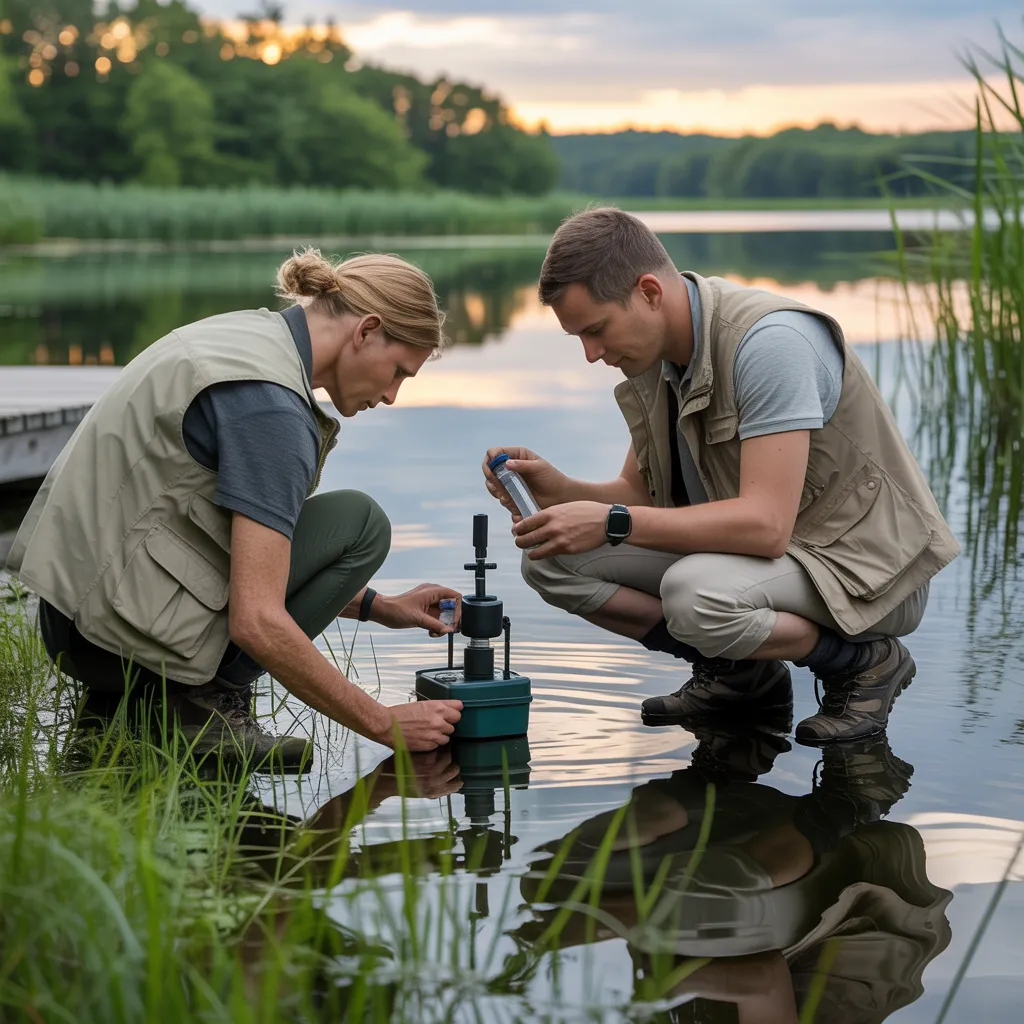
Comprehending environmental consulting is indispensable for corporations planning to roll out environmentally conscious practices. This area of work requires informed counsel on compliance frameworks, sustainability initiatives, and material stewardship. Eco-consultants analyze a business entity's performance to reveal developmental areas, securing compliance with environmental laws and restricting ecological repercussions.
The advantages of hiring environmental consultants are substantial. They supply tailored solutions that boost operational performance, minimize waste, and reduce costs related to resource consumption. By evaluating potential environmental hazards, consultants help businesses reduce liabilities and improve public image. Additionally, the integration of sustainable practices often leads to innovation and competitive advantage in the marketplace.
Over the extended timeframe, collaborating with environmental consultants builds a culture of sustainability within organizations, inspiring employees to implement environmentally responsible behaviors. By leveraging their expertise, businesses not only contribute to environmental preservation but also establish themselves as leaders in corporate responsibility, engaging increasingly environmentally minded consumers.
Analyzing Your Environmental Impact
Assessing a company's ecological impact involves recognizing primary areas of impact and measuring resource consumption rates. By analyzing these factors, companies can pinpoint where improvements are necessary. This method not only fosters sustainability but also enhances workplace productivity.
Setting Core Impact Areas
Many businesses overlook the essential significance of recognizing key impact areas when assessing their environmental footprint. By pinpointing particular elements of their operations that contribute to environmental degradation, organizations can create targeted strategies for enhancement. These impact areas often include power usage, waste production, water use, and emissions. Understanding these factors allows enterprises to rank measures that yield the most significant environmental benefits. In addition, engaging stakeholders in this identification process fosters a culture of sustainability within the organization. By recognizing and tackling these key critical zones, businesses place themselves to enhance their overall ecological responsibility, lower expenses, and meet regulatory requirements. This proactive approach ultimately promotes long-term ecological and economic viability.
Evaluating Supply Consumption Rates
Once primary focus areas are identified, the next step involves measuring usage levels to assess the company's environmental footprint. This procedure requires an systematic approach to gather data on power, liquid, and material consumption across all activities. Utilizing tools such as energy audits, liquid evaluations, and material tracking analysis can provide insights into usage trends. Companies should also consider establishing benchmarks to measure against sector benchmarks or past performance. By analyzing these metrics, businesses can identify inefficiencies and chances to decrease usage. Precise tracking not only aids in compliance with ecological laws but also improves corporate sustainability strategies. This data-driven approach is crucial for choosing wisely that align with lasting ecological objectives.
Main Areas for Green Corporate Strategies
Furthermore, organizations can invest in renewable energy solutions, such as solar or wind, to reduce dependence on fossil fuels. Staff participation in sustainability efforts fosters a culture of responsibility, driving innovation and commitment to eco-friendly practices. In conclusion, open disclosure on sustainability goals and progress reinforces stakeholder trust and demonstrates accountability. By integrating these key components, companies not only contribute to environmental preservation but also position themselves as pioneers in business ethics, appealing to increasingly eco-conscious consumers.
Discovering the Ideal Green Advisor for You
Choosing an eco-friendly advisor demands a clear understanding of a business's specific needs and goals. Evaluating these specifications allows organizations to align with experts who have the relevant expertise and experience. This deliberate method guarantees that organizations make informed choices for environmentally responsible options.
Examining Your Firm Objectives
When enterprises acknowledge the importance of sustainability, they often encounter the challenge of locating the right green advisor to meet their unique requirements. This procedure commences with a detailed review of the firm's sustainability targets, regulatory requirements, and current approaches. Companies should consider their sector positioning, business size, and specific challenges, including trash disposal or energy efficiency. Engaging multiple team members across the business can deliver valuable insights into the priorities and expectations of the consulting relationship. Moreover, it is vital to specify the service range required, whether it involves regulatory compliance, strategy development, or professional development. By clearly outlining these requirements, organizations can streamline the vendor selection and guarantee a more effective working relationship with their chosen consultant.
Assessing Consultant Abilities
How can organizations ensure they select the appropriate environmental consultant? Assessing consultant proficiency requires multiple critical elements. Initially, firms should evaluate the consultant's credentials, encompassing relevant credentials, education, and experience in specific environmental sectors. Next, reviewing previous engagements and client references offers understanding into the consultant's track record and trustworthiness. Furthermore, grasping their strategy to sustainability initiatives—whether they emphasize novel solutions or standards compliance—is crucial. People skills also function a important component; a consultant must effectively relay intricate details to different interested parties. In the end, factor in the consultant's resolve to perpetual education and maintaining awareness on environmental standards and advancements. Through thoroughly analyzing these elements, entities can achieve sound decisions and pick a consultant most aligned to their unique objectives.
Build Your Own Eco-Friendly Initiative
A well-crafted sustainability plan can significantly boost a organization's environmental performance and operational efficiency. This method starts with a detailed assessment of the organization's current practices, identifying aspects where improvements can be made. Primary contributors should be involved in this appraisal to ensure multiple insights are considered.
Next, clearly defined, quantifiable objectives need to be established. These objectives should align with the overarching aims of the organization while addressing environmental concerns such as minimizing waste, operational efficiency, and sustainable resource management.
Additionally, it is necessary to employ innovative solutions suited to the unique challenges of the industry. Consulting with expert environmental consultants can furnish pertinent information into best practices and emerging technologies.
In conclusion, a well-defined communication plan can advance a culture focused on sustainability within the organization, confirming that all employees grasp their parts in reaching these goals. This integrated approach ultimately establishes the business as a sustainability pioneer.
Deploying Sustainable Strategies Effectively
Effective execution of eco-friendly initiatives demands a strategic approach that emphasizes clarity and purpose. Businesses must first establish clear objectives, identifying specific sustainability goals in line with their overall mission. This involves involving stakeholders, including employees and suppliers, to cultivate a culture of sustainability throughout the organization.
Next, enterprises should allocate resources effectively, guaranteeing that the necessary instruction, equipment, and digital solutions are in place to support environmentally responsible operations. Regular communication is critical, as it keeps all stakeholders aware and motivated.
Additionally, incorporating sustainability into current operations can enhance efficiency and minimize opposition to transformation. By piloting initiatives, companies can evaluate feasibility and make adjustments before complete rollout.
Ultimately, a dedicated management team, paired with straightforward procedures and constant engagement, can significantly enhance the effectiveness of sustainable solutions, delivering long-term benefits for both the entity and the natural surroundings.
Assessing Your Sustainability Results
What techniques can companies employ to track their sustainability development effectively? Companies can employ a assortment of tools and metrics to measure their environmental footprint and advancements. One common approach is the embrace of performance indicators that emphasize on energy consumption rates, waste reduction, and carbon footprint. By determining clear milestones, firms can assess their enhancements over time.
Moreover, software solutions that measure resource consumption and pollutant releases can furnish real-time intelligence, enabling more informed decisions. Ongoing compliance audits remain crucial, allowing businesses to identify areas for enhancement and verify alignment with green standards.
Engaging interested parties through the use of feedback surveys and input systems can further strengthen the assessment process, fostering a culture of accountability and continuous improvement. Ultimately, a deliberate methodology to monitoring ecological advancement empowers businesses to conduct thoughtful modifications and demonstrate their dedication to sustainable practices.
Frequently Inquired Questions
What Price Range Should Companies Anticipate for Environmental Assessment Services?
Consulting costs for environmental services provided to organizations usually range between $100 to $300 per hour, determined by the firm's expertise and complexity. Fixed fees for engagements can also be offered, varying according to the particular services and duration.
What Certifications Should I Search for in an Environmental Professional?
Selecting an environmental consultant requires that you pursue certifications consult this source such as Certified Environmental Professional (CEP), ISO 14001, or LEED accreditation, as these display expertise and commitment to sustainable practices within environmental management.
Do Small Organizations Have the Potential to Benefit From Environmental Advisory Services?
Yes, small businesses can meaningfully gain advantage from green consulting services. These expert services help improve resource allocation, reduce waste output, strengthen compliance with industry standards, and boost overall sustainability, eventually generating cost savings and a better public image.
How Frequently Should I Improve My Sustainability Strategy?
Modifying a environmental strategy should be conducted once or twice yearly, influenced by competitive shifts and organizational growth. Regular evaluations confirm alignment with updated compliance rules, community needs, and breakthrough technologies, strengthening sustained progress and enhanced ecological footprint.
Which Business Fields Gain the Greatest Benefits From Environmental Professional Services?
Industries comprising manufacturing, construction, energy, and agriculture receive significant benefits from environmental consulting. These sectors often face compliance obstacles, resource allocation problems, and sustainability goals that necessitate expert guidance to strengthen their eco-friendly operations and regulatory adherence.